
Breast Milk Bank – Shahid Akbar Abadi Maternity Hospital

Introduction
The World Health Organization (WHO) and UNICEF recommend donor milk or wet nursing for infants who, for any reason, are deprived of their own mother’s milk. In line with this guidance, the first Human Milk Bank in Tehran was established in November 2019 by the Deputy of Treatment at Iran University of Medical Sciences, located at Shahid Akbar Abadi Educational and Medical Center.
This milk bank is a non-profit, charitable institution dedicated to improving the health of premature and vulnerable infants by providing safe, pasteurized donor human milk. Its primary mission is to supply pasteurized breast milk to preterm and sick newborns who cannot be fed by their own mothers.
For more information, mothers who wish to donate milk may contact +98 21 5598 1090 and speak with Ms. Sahlani, the Milk Bank Supervisor.

Why Breast Milk Matters
Breast milk is the most natural and beneficial nutrition for infants, offering short- and long-term health advantages for both mother and child. Scientifically, the best milk for any baby is its own mother’s milk.
-
Milk from mothers of preterm infants is richer in nutrients and energy compared to term milk.
-
The first days of life are critical for newborn nutrition. Many mothers of premature or sick babies face medical challenges that delay their ability to breastfeed.
-
Formula feeding in such cases can lead to serious complications, including necrotizing enterocolitis (NEC), infections, and increased mortality.
In advanced neonatal units worldwide, pasteurized donor milk is used to bridge this gap until the mother’s own milk supply is established. Pasteurization is performed at the milk bank to ensure safety.
What Is a Human Milk Bank?
A human milk bank is a facility where donated breast milk is collected, processed, pasteurized, and stored under strict safety protocols. The milk is then provided to premature or sick infants who cannot access their own mother’s milk.
WHO and UNICEF strongly endorse the use of pasteurized donor milk in such cases.
Global History of Milk Banks
-
The first human milk bank was established in Vienna, Austria in 1909.
-
With the expansion of donor milk use, survival rates of preterm infants significantly improved.
-
Today, there are over 210 active milk banks in Europe.
-
In the United States, nearly every state has a milk bank. Since 1985, the Human Milk Banking Association of North America (HMBANA) has set standards for milk banking and infection prevention. HMBANA currently oversees at least 10 milk banks in the U.S. and 6 in Canada.
The Shahid Akbar Abadi Hospital Milk Bank is the first of its kind in Tehran.
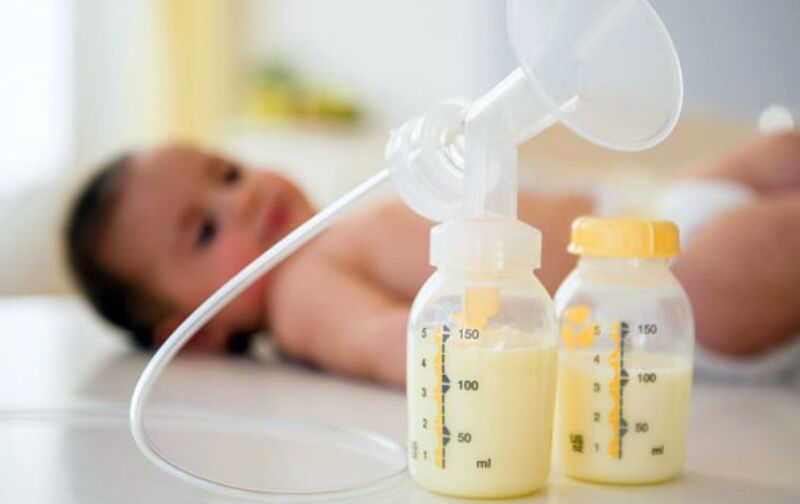
Who Can Be a Donor?
Eligible mothers include:
-
Mothers with infants admitted to the NICU who have surplus milk.
-
Mothers at home with infants under one year old who produce more milk than their child requires.
Donor requirements:
-
Must be Muslim and of good character.
-
Physically and mentally healthy.
-
Delivered within the past 12 months.
-
Willing to undergo free blood tests (HIV, Hepatitis B, Hepatitis C).
-
No history of HIV, Hepatitis B, Hepatitis C, organ transplant, or tattooing.
-
Non-smoker, non-addict.
-
Not on regular medication (except safe drugs such as insulin, thyroid hormones, vitamins, iron, calcium, nasal sprays, asthma inhalers, topical ointments, eye drops, and progesterone-only contraceptives).

Donation Process
-
Ensure you have sufficient milk for your own baby first.
-
Discuss your decision with your spouse and obtain consent.
-
Contact the Milk Bank at +98 21 5598 1090 for coordination.
-
Visit the hospital once for registration, consent, and free blood testing.
-
Receive sterile containers for milk collection at home.
-
Express milk hygienically, store it in the refrigerator (up to 48 hours) or freezer (-18°C, up to 3 months).
-
Hospital couriers collect frozen milk and deliver it to the bank for pasteurization.
Important: Donor mothers are not paid, and donated milk is provided free of charge to infants in need.
Religious Considerations
In Islamic jurisprudence, breastfeeding directly from the breast under specific conditions can establish kinship (rida’). However, milk bank donations do not create such relationships because:
-
Milk is pooled from multiple donors.
-
Feeding is not direct from the breast.
According to official religious rulings, consumption of pasteurized donor milk from the milk bank is permissible.